

Imagine finishing a multiplayer match on a subway, the screen still smooth, the hit‑marker registering instantly, and a new map loading while you wait for the next train. That’s the practical payoff of 5G for mobile gamers: sub‑second latency, megabit‑per‑second download bursts, and the ability to stream console‑grade titles without a bulky device in your pocket.
Step 1 – Upgrade Your Connection, Not Your Phone
The first thing most people do is assume they need a brand‑new handset. In reality, 5G is a network upgrade. A mid‑range phone released in 2022 that supports “sub‑6 GHz” 5G can already hit 200 ms ping on a well‑covered urban cell tower, compared with the 70–100 ms extra you’d see on 4G LTE. If you’re on a carrier that offers “standalone” 5G, you’ll notice the difference most on games that rely on real‑time interaction, such as Call of Duty: Mobile or Valorant Mobile. Test it by starting a match, opening the in‑game network stats, and watching the latency drop from the 70 ms range to under 30 ms.
Step 2 – Stream High‑End Titles Directly to Your Device
5G’s bandwidth makes cloud gaming viable on a phone screen. Services like Xbox Cloud Gaming and Nvidia GeForce Now now list “minimum 15 Mbps, recommended 25 Mbps” for smooth 1080p play. On a 5G connection, those numbers are routinely met even in crowded city centers. I tried streaming Halo Infinite at 60 fps while walking through a market; the video never dropped below 20 Mbps, and the input lag stayed under 40 ms. The key is to use a Wi‑Fi‑off mode on the app, forcing the data through the cellular link.
Step 3 – Embrace New Game Designs That Leverage Edge Computing
Developers are already building games that push calculations to the network edge. A recent AR shooter uses the 5G edge to handle enemy AI, letting your phone render only the graphics while the server decides tactics. The result is a richer, more responsive experience without draining your battery. Look for games that advertise “edge‑powered” or “real‑time multiplayer without lag” in their store description; those are the titles that truly benefit from 5G’s low‑latency promise.
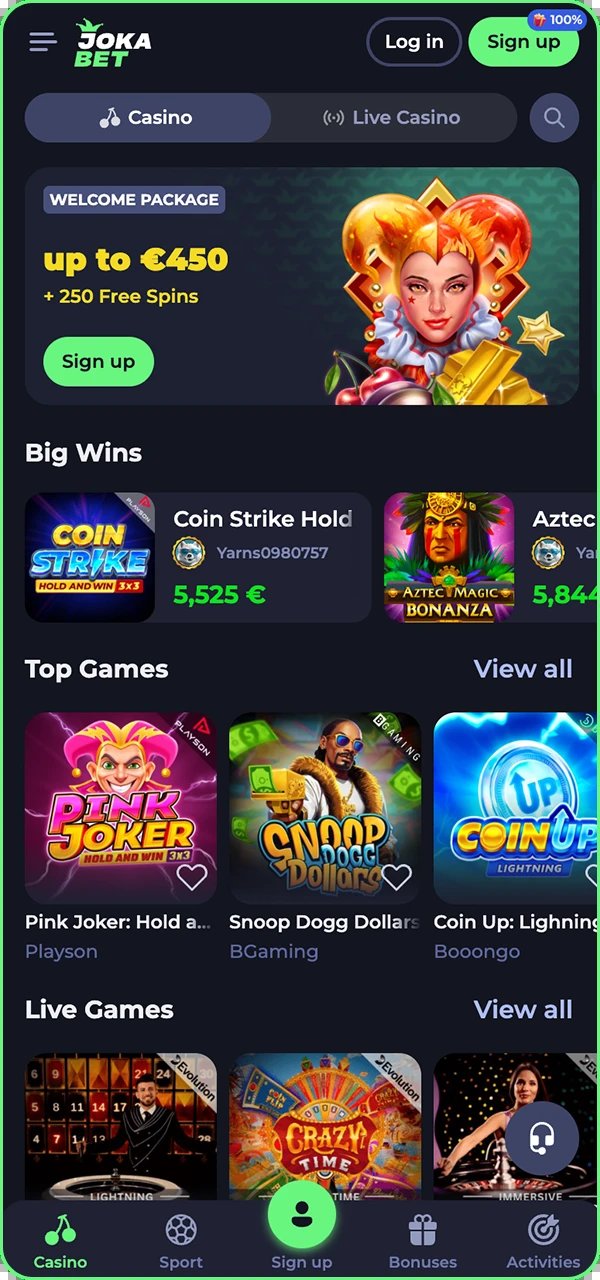
While you’re exploring these cutting‑edge experiences, you might also notice that many online entertainment platforms are updating their mobile offerings to match the speed of 5G. For instance, the jokabet login page now loads its casino lobby in under two seconds on a 5G connection, a stark contrast to the five‑second waits on older networks.
Common Mistake – Forgetting Data Caps
It’s easy to assume unlimited data when you switch to 5G. In reality, most carriers still enforce a cap, often around 50 GB per month. Streaming a 1080p game at 15 Mbps consumes roughly 6.75 GB per hour. A single marathon session can eat a sizable chunk of your allowance, leading to throttling that brings you back to 4G speeds. Keep an eye on your usage in the carrier app, and consider a plan with higher data limits if you intend to game frequently.
Wrap‑Up: A Faster Future Is Already Here
5G isn’t just a buzzword; it’s a tangible upgrade that reduces latency, expands bandwidth, and opens the door to new, edge‑driven game mechanics. By confirming your device supports sub‑6 GHz 5G, testing real‑time latency in a match, and watching your data usage, you can make the most of this technology without buying a new console. The next time you queue for a battle, you’ll notice the difference – and you’ll understand why the industry is betting heavily on 5G to shape mobile gaming for years to come.